Customs automation systems
Data processing and integrations for customs workflows in multiple regions.
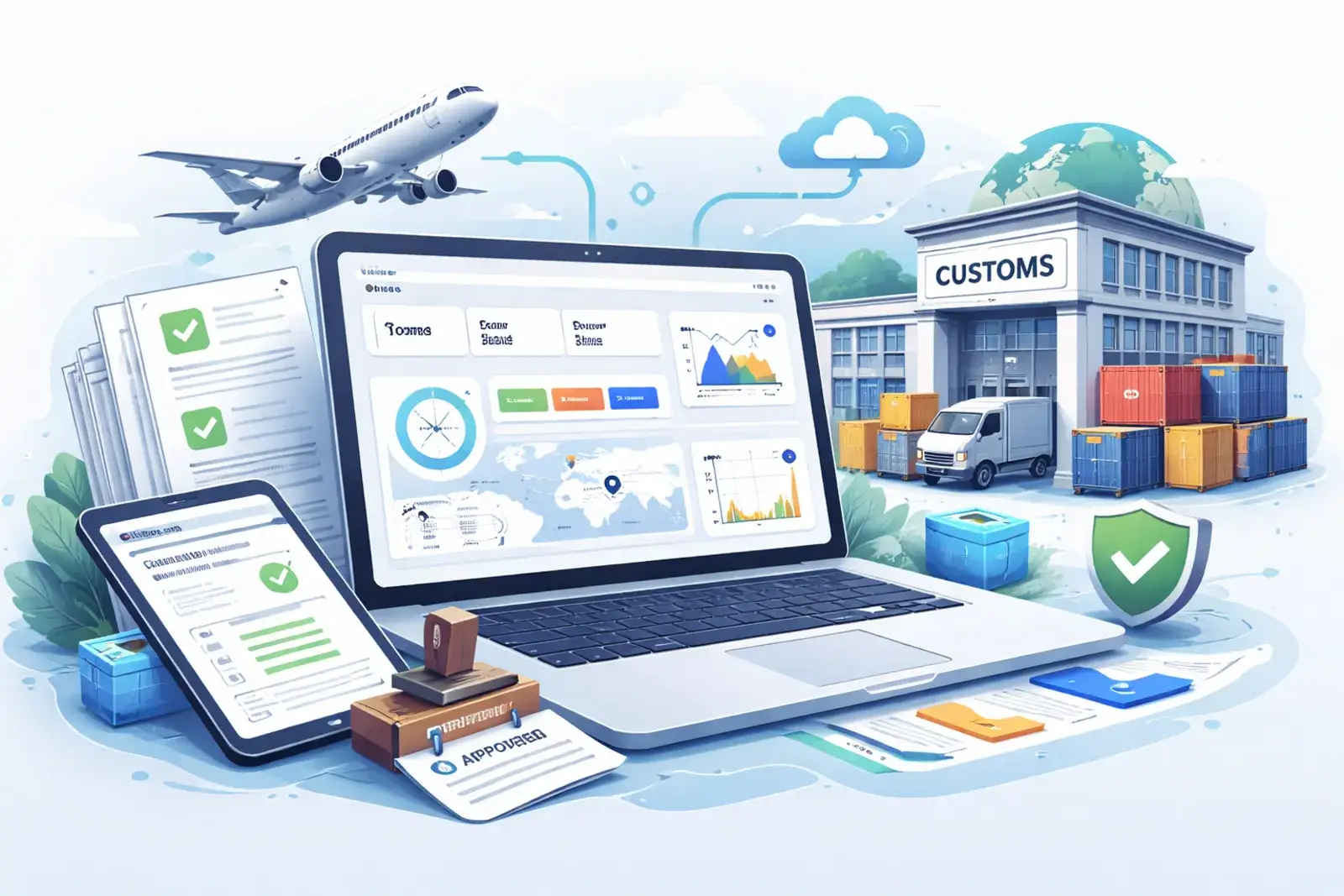
Manual customs clearance procedures across multiple brokers caused delays, data errors and inconsistent tracking. Staff had to compile documents for each pallet and parcel by hand and coordinate with customs officials in different regions, making it difficult to maintain compliance and visibility.
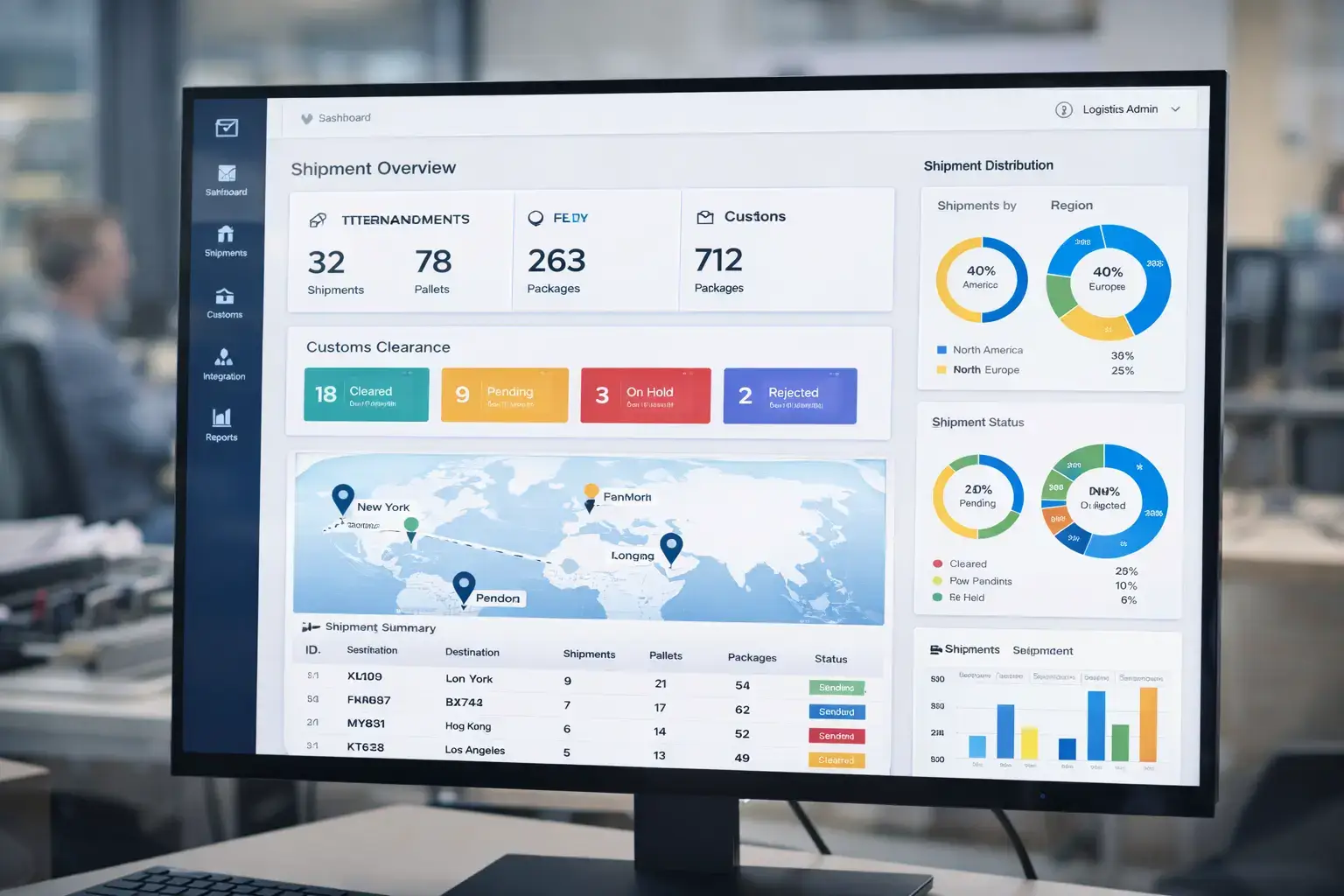
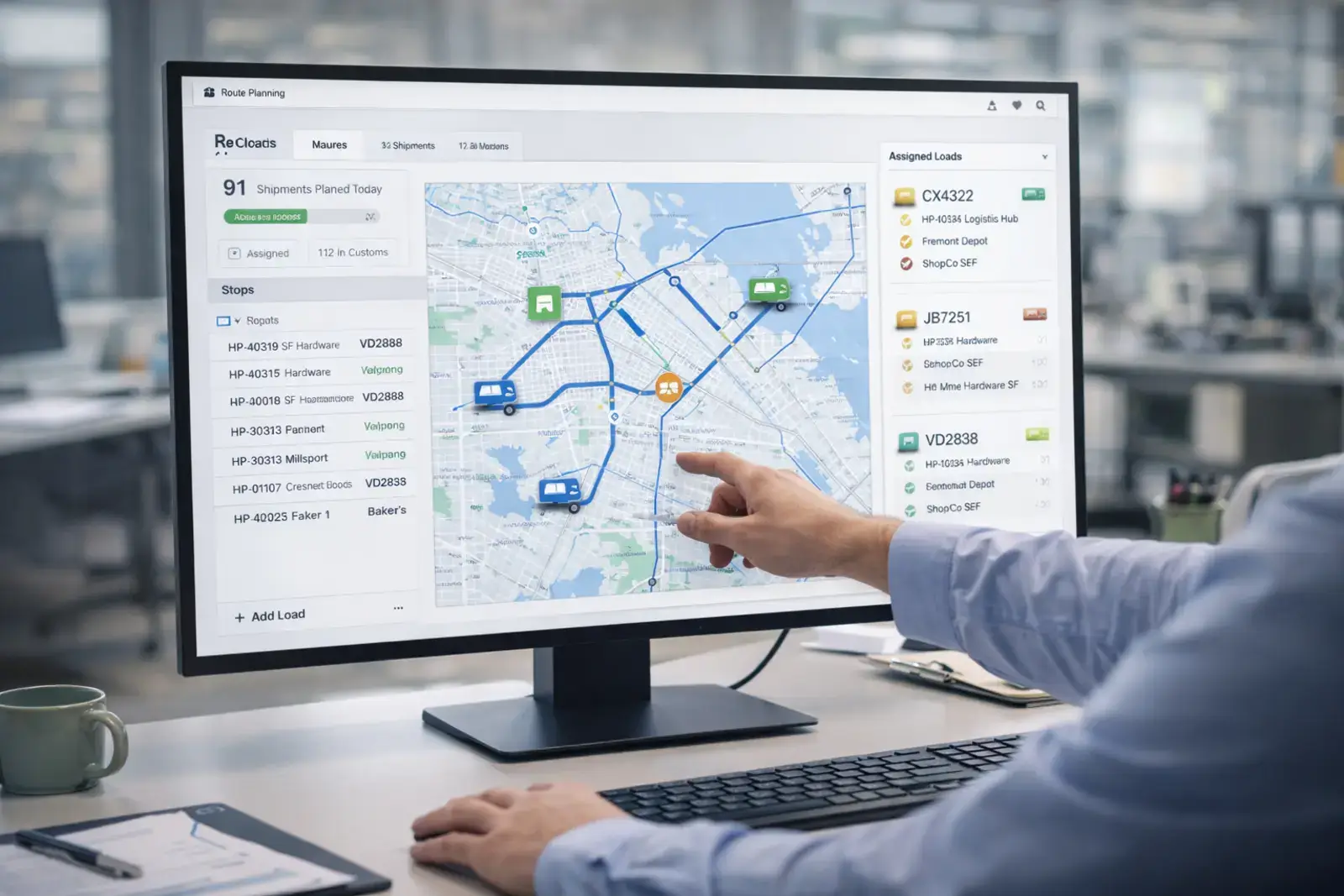
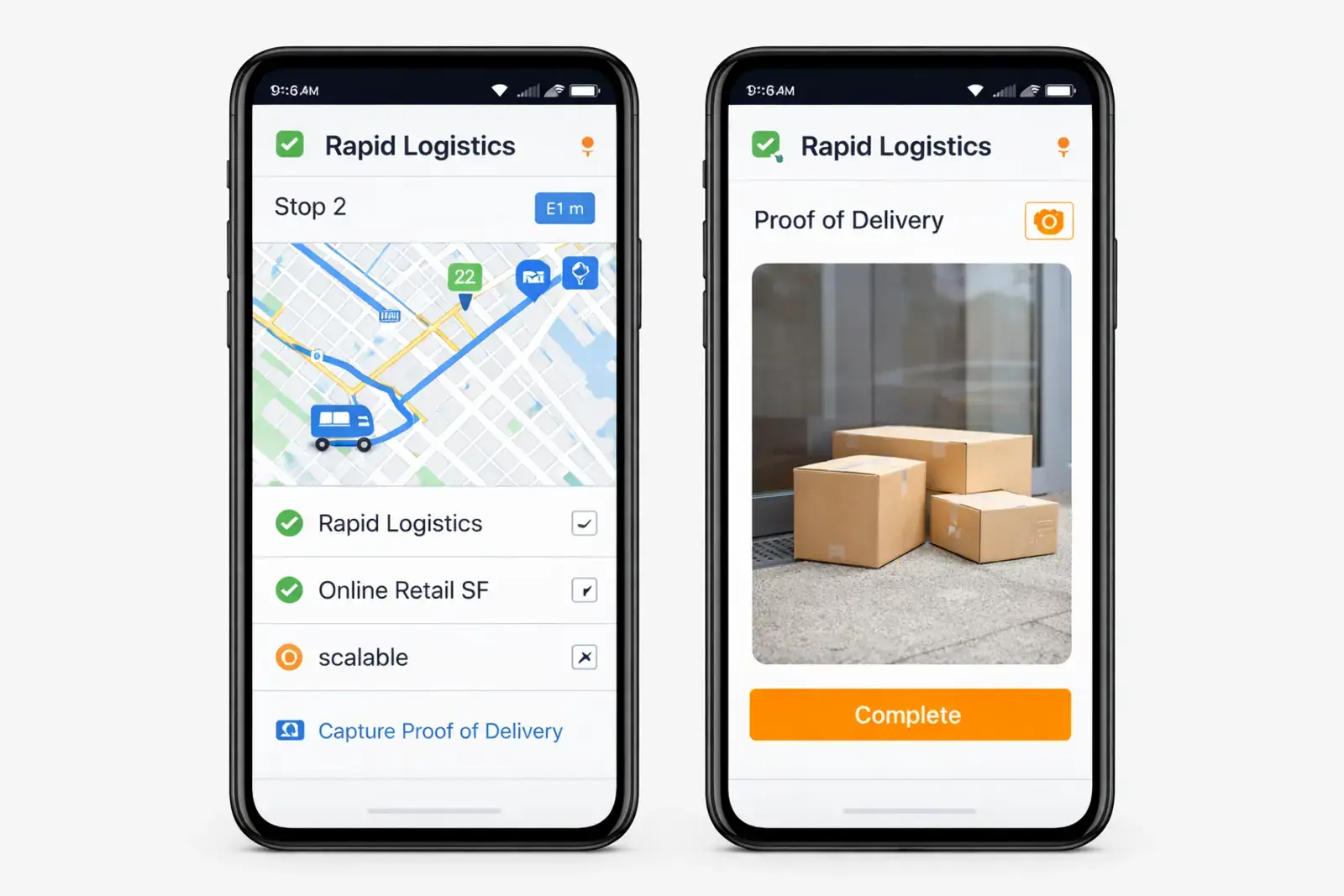
A unified software platform was built to automate the capture and processing of shipment data from airport hubs, generate and submit customs declarations electronically, and integrate with government systems in multiple regions. The platform also plans delivery routes, assigns loads to specific vehicles and drivers, and provides a mobile application for drivers to receive assignments, navigate checkpoints and upload proof of delivery. GPS tracking data from an external service is integrated to offer real-time visibility.
The solution reduced customs clearance times, improved data accuracy and freed operations staff from manual tasks. Real-time status updates and route optimisation enhanced efficiency across sorting hubs and delivery fleets, while a clear audit trail ensured compliance with customs regulations.
Key features
Automatically processes customs data and submits required documents electronically, reducing manual workloads and errors.
Connects to customs authorities and broker systems to exchange data in the required formats across multiple regions.
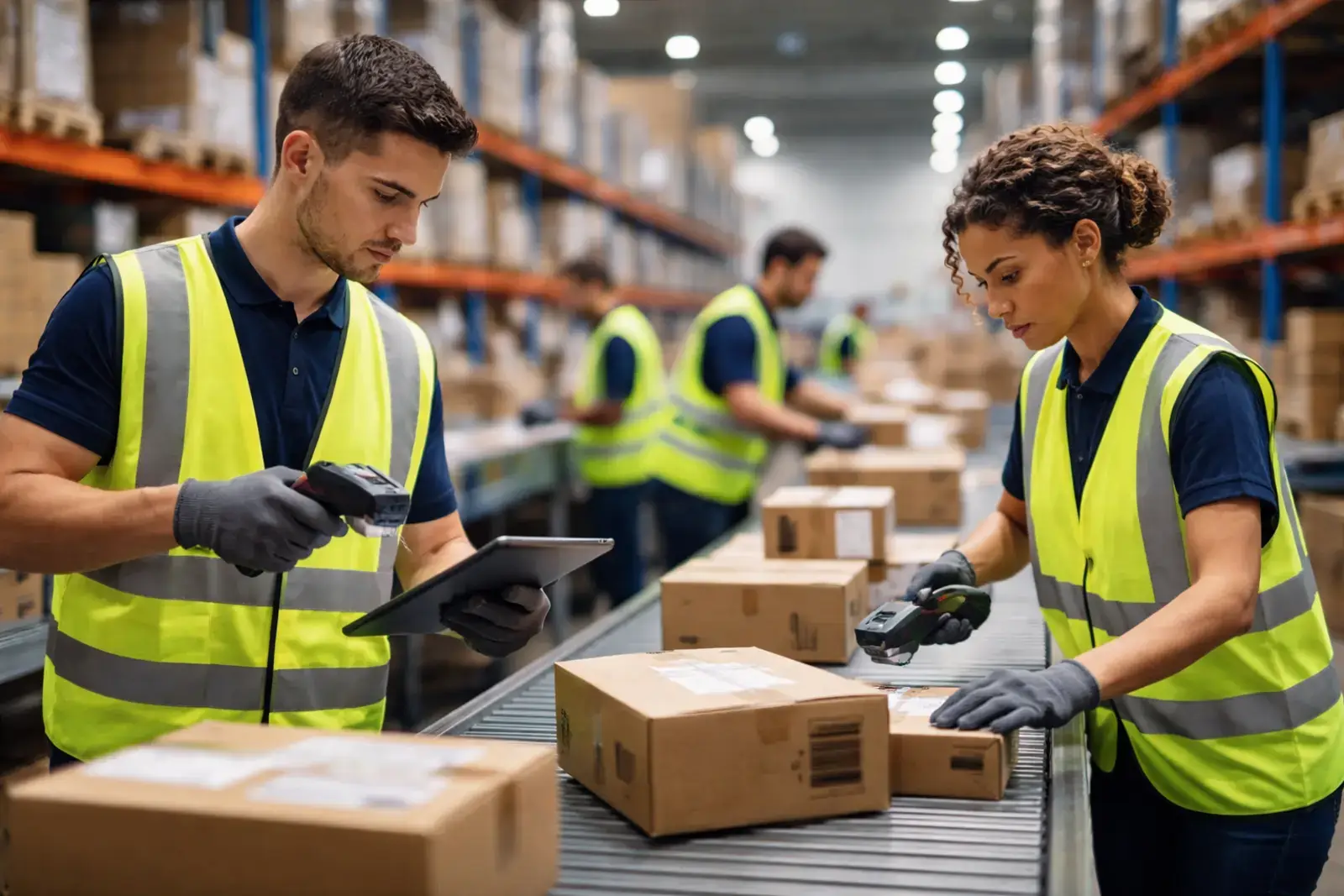
Tracks pallets and individual packages from arrival at the hub through sorting and assignment to clients.
Generates optimal routes for each vehicle and driver, assigns loads and checkpoints, and communicates schedules in advance.
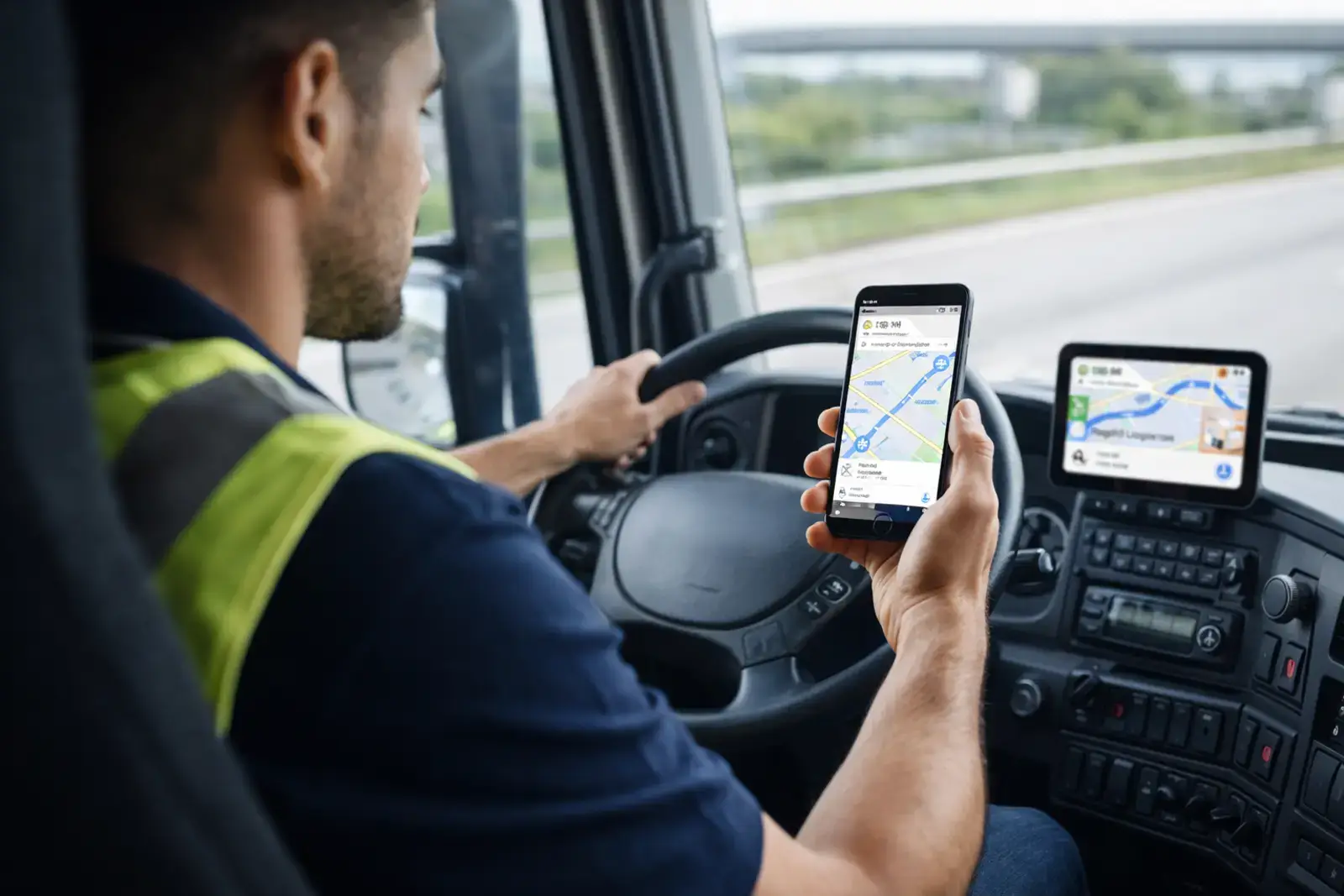
Provides drivers with routes, load details, checkpoint check-ins and proof-of-delivery capture via a dedicated mobile app.
Integrates with external GPS services to monitor driver location and status for improved operational oversight.
Business & operations context
Hubs, sorting and delivery execution
How delivery was organized
From hub intake to customs clearance and last-mile execution.
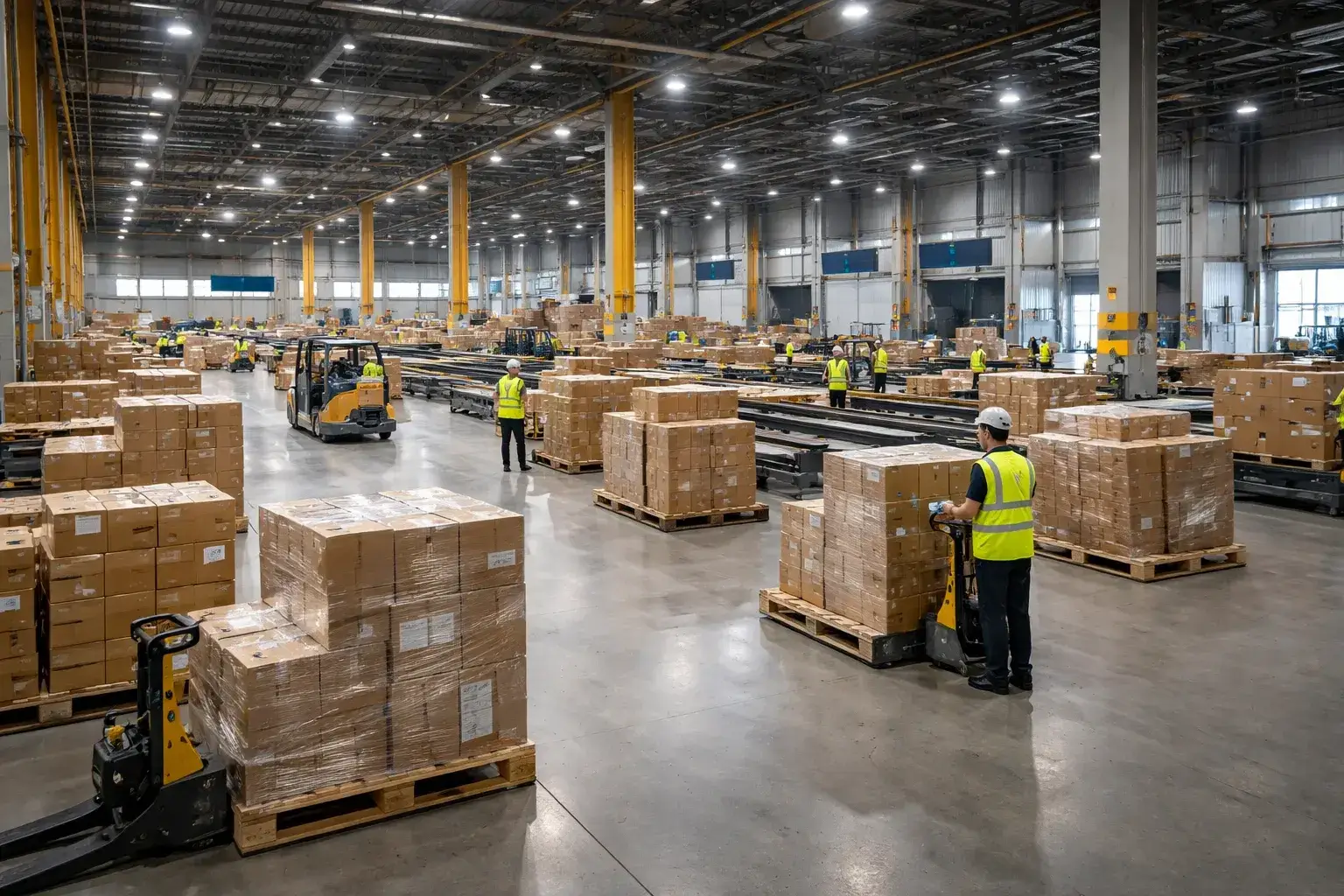
Information on arriving pallets and packages is collected from brokers at airport hubs and compiled into a standardised format with all required documents.
The system submits data and documents to customs authorities electronically, monitors the status and receives responses in real time.
Once cleared, packages are sorted and assigned to the appropriate clients. Routes are planned and loads are allocated to specific vehicles and drivers.
Drivers receive route information via the mobile app, follow the planned checkpoints, record proof of delivery and are tracked through GPS integration.
Business impact
Operational improvements enabled by automation and integrated tracking.
Automated document processing shortened customs clearance cycles and reduced bottlenecks.
Structured data capture and validation minimised errors and improved compliance.
Optimised route planning and real-time tracking increased sorting and delivery throughput.
Consistent workflows and integrated tracking provided transparent audit trails across regions.
System interfaces
Dashboards, planning screens and mobile apps
Scope highlights
Core modules delivered as part of the platform.
Common questions
Practical clarifications for operations and delivery teams.
It replaced manual customs workflows with automated data processing and integrated systems, reducing delays, errors and manual effort.
The platform follows region-specific customs regulations, validates data before submission and maintains a complete audit trail of all transactions.
Drivers receive clear route guidance, load assignments and checkpoint check-ins, and can capture proof of delivery, improving communication and accountability.
The solution integrates with customs APIs, broker systems and GPS tracking services and uses a scalable backend for document processing and routing logic.